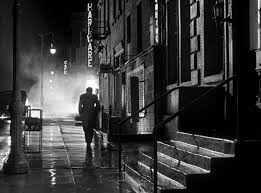
CRY OF THE CITY (1948)
Robert Siodmak’s Cry of the City is a shadow soaked noir that still feels sharp and contemporary. Adapted by Richard Murphy from Henry Edward Helseth’s novel The Chair for Martin Rome, the film follows a wounded killer trying to stay one step ahead of the law. Ben Hecht did uncredited work on the script, which may explain the strong character work that holds the story together. The studio insisted that part of the film be shot on real New York streets. Siodmak resisted (location shooting was something he hated) but it gives the picture a sense of realism that suits it.
Richard Conte is outstanding as Martin Rome. He plays him as a man who knows he has crossed every moral line yet still reaches for a future with the young woman he loves. Debra Paget, only fourteen at the time, plays Teena with innocence and quiet resolve. Rome’s actions never stop being criminal, but Conte’s performance makes it hard to stop hoping he might find a way out.
Victor Mature brings a stolid energy to the role of the police lieutenant determined to bring Rome in. His pursuit has an intensity that feels modern.
The supporting cast is first rate. Fred Clark, known later for comic roles, gives an early dramatic performance that has real edge. Shelley Winters adds volatility to every scene she enters. Hope Emerson nearly steals the movie as a brutal masseuse who turns physical therapy into torture. Her confrontation with Conte is unforgettable.
This is also one of, it seems, a dozen Twentieth Century Fox noirs to use Alfred Newman’s composition “Street Scene” as its main musical theme! It was the Sound of New York for Fox.
The mood of the film is dark, the tension is steady, and the moral lines are blurred in the way noir does best. Cry of the City deserves its reputation. It is tough, stylish, and driven by characters who stay with you after the final shot. Highly recommended.